How the 2026 Algorithm Update Is Changing Organic Reach (And What Still Works)
If you have felt like your posts are reaching fewer people than they used to, you are not imagining it. Something shifted in 2026, and creators and brands across every major platform are noticing the same thing: the old playbook is not delivering the way it once did. Reach that used to come easily now takes more intention, and some tactics that worked for years have quietly stopped moving the needle.
The good news is that the platforms have not become impossible to grow on. They have become more selective. The 2026 algorithm update did not kill organic reach, it changed what earns it. Once you understand what the platforms are actually rewarding now, you can adjust your approach and start seeing results again, often faster than before.
This post breaks down what changed, why it changed, and exactly what still works so you are not wasting time on tactics that stopped paying off.
What Actually Changed in the 2026 Algorithm Update
The biggest shift this year is a move away from raw reach and toward what platforms are calling trust signals. Instead of asking how many people saw a post, the algorithms are now asking how many people engaged with it in a way that felt genuine. That distinction matters more than most creators realize.
In practical terms, this means likes alone carry less weight than they used to. Comments, replies, saves, shares, and how long someone actually spends looking at a piece of content are now doing most of the heavy lifting. Platforms are trying to filter out content that gets a quick tap and nothing else, because that kind of interaction does not predict whether someone will come back.
Another major change is how platforms treat consistency. Posting in bursts and then going quiet used to be forgivable. Now, irregular posting schedules are more likely to reset how much trust an account has built with the algorithm, which means reach can drop noticeably after a gap, even for accounts with a strong history.
Finally, cross platform behavior is being tracked more closely than before. Accounts that show up consistently across multiple formats, like short video, static posts, and long form content, tend to get more favorable distribution than accounts that rely on a single format alone.
Why Organic Reach Feels Different This Year
A lot of the frustration around this update comes down to expectations built during a very different era of social media. For years, posting consistently and using trending audio or hashtags was often enough to get in front of new people. That baseline has moved.
Platforms are now optimizing harder for user trust and long term engagement rather than short term attention spikes. That is partly a response to declining user trust in feeds cluttered with low effort content, and partly a business decision, since platforms that keep users coming back are more valuable to advertisers than platforms that just rack up impressions.
This means the algorithm is not punishing you specifically. It is recalibrating what counts as a signal worth rewarding. Content that used to get by on novelty now needs to also hold attention and prompt a real reaction.
The accounts that are struggling the most right now are usually the ones that treated growth as a numbers game rather than a relationship with an audience. The accounts holding steady, or even growing, are the ones that built genuine engagement habits before the update ever rolled out.
The Metrics That Matter Now
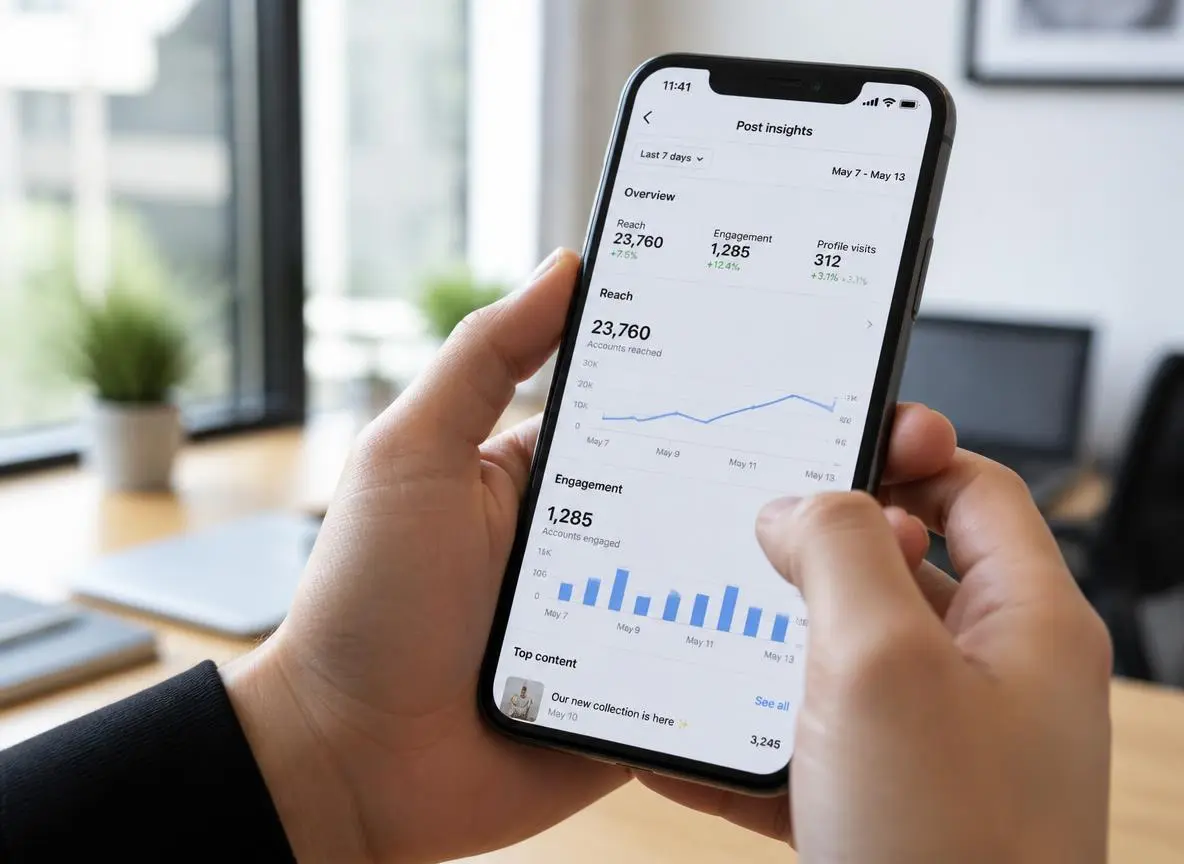
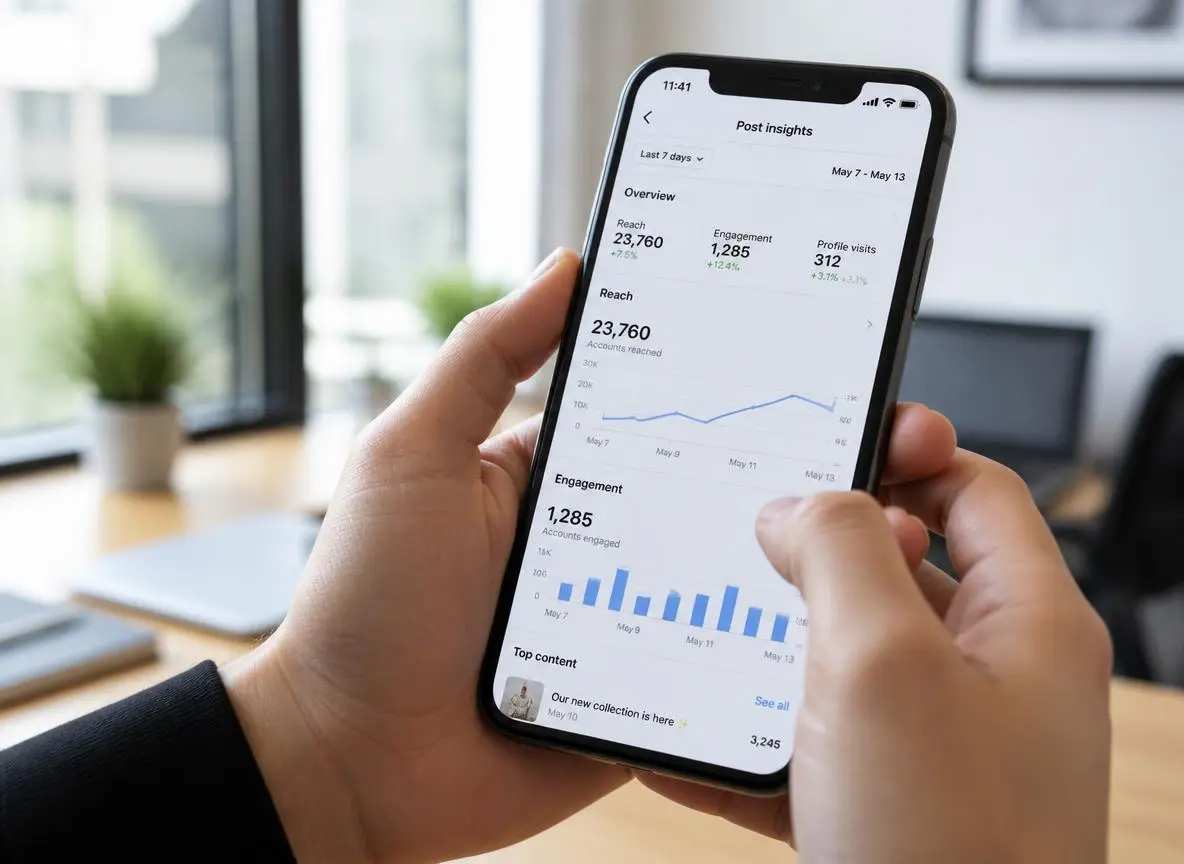
If you want to understand where your organic reach is heading, stop watching follower count as your primary indicator. It is one of the slowest moving and least predictive metrics on any platform right now. Instead, pay attention to the signals the algorithm is actually weighing.
Watch time and completion rate are doing a lot of work, especially for video content. A short video that keeps people watching to the end tells the platform this content is worth showing to more people, even if the raw view count looks modest at first.
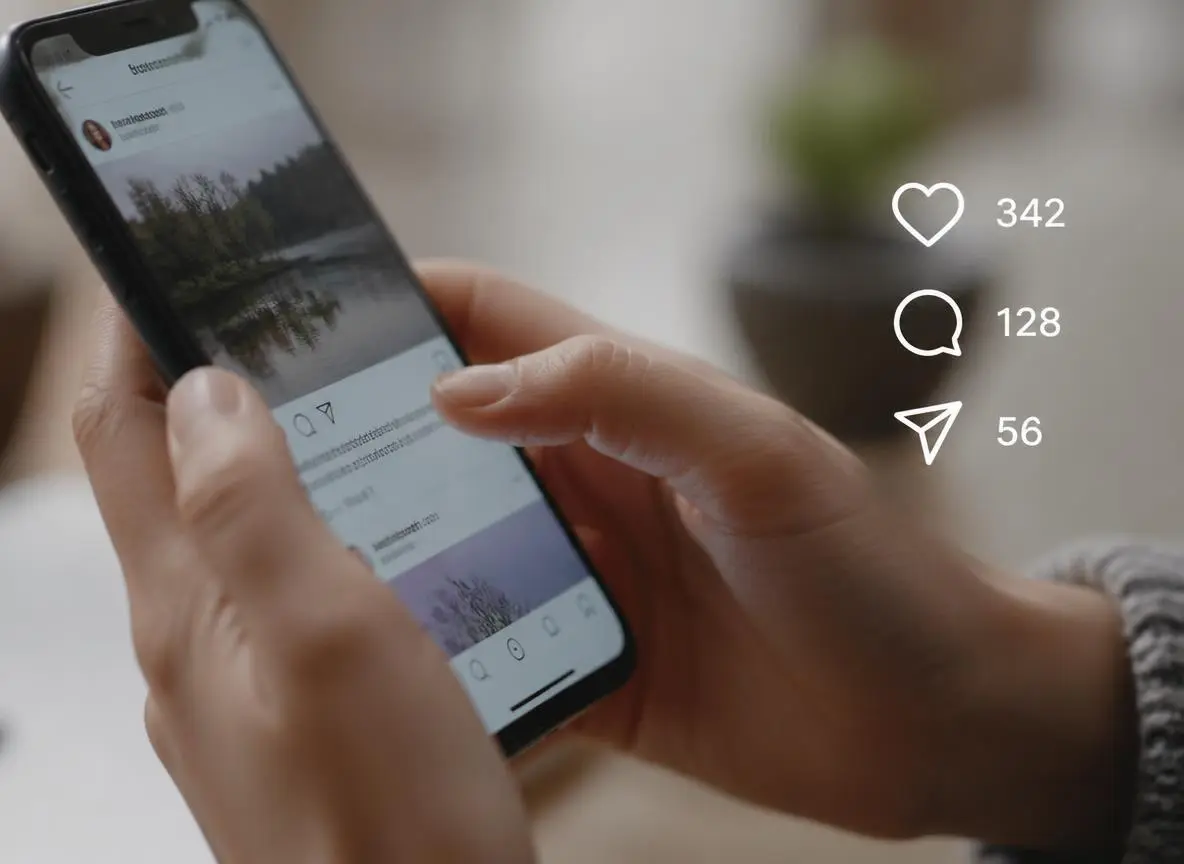
Saves and shares are being treated as some of the strongest indicators of quality. A save means someone found the content valuable enough to return to later. A share means they trusted it enough to put their own name next to it. Both carry more weight than a like ever will.
Reply depth on comments is another underrated signal. A post that sparks a back and forth conversation in the comments section, not just a string of one word replies, tends to get pushed further because it demonstrates real engagement rather than passive scrolling past.
What Still Works: Proven Tactics That Survived the Update
Not everything changed. Several fundamentals that worked before 2026 are still effective, and in some cases they matter even more now because they align closely with what the new algorithm prioritizes.
Strong hooks in the first few seconds of video content remain essential. If anything, the margin for error has shrunk. You have less time than ever to convince someone to keep watching, so the opening line or visual needs to earn attention immediately rather than easing into the point.
Posting consistently, even if it is a modest and sustainable schedule, continues to outperform sporadic bursts of high volume posting. The algorithm still rewards accounts that show up reliably, because predictability builds the kind of trust that translates into better distribution over time.
Responding to comments on your own posts is still one of the simplest and most effective habits a creator or brand can build. It signals to the algorithm that your content generates real conversation, and it also strengthens the relationship with your existing audience, which pays off in future reach.
Niche focus has not lost its power either. Accounts that stay clearly defined around a specific topic or audience tend to build stronger engagement patterns than accounts that post about everything. The algorithm can more easily match focused content with the right audience, which improves distribution.
Practical Tips for Adapting to the 2026 Algorithm
Here are a few concrete adjustments worth making if your reach has slipped this year.
- Prioritize saves and shares over likes when planning content. Ask whether a piece of content gives someone a reason to bookmark it or send it to a friend, not just glance at it.
- Slow down your posting cadence if you cannot sustain it, rather than posting in unsustainable bursts. A realistic, steady schedule beats an ambitious one you abandon after two weeks.
- Spend real time in your comments section. Set aside a few minutes after each post to reply thoughtfully, not just with emojis, since comment depth is now a meaningful ranking factor.
- Diversify your content formats where it makes sense for your niche. An account that mixes short video, carousel style posts, and occasional long form content tends to be more resilient to algorithm shifts than one relying on a single format.
- Track watch time and completion rate on video content specifically, rather than only view counts. These numbers tell you far more about whether your content is actually working under the new system.
- Give new content formats or ideas at least a few weeks before judging performance. Algorithms need engagement data to learn how to distribute a piece of content, and early results are not always representative of how it will perform once it has been tested with a wider audience.
How Different Platforms Are Applying These Changes
While the broad shift toward trust signals is consistent across platforms, each one is applying it a little differently, and it is worth understanding the nuances if you are managing accounts across several channels.
Short form video platforms are placing heavy emphasis on completion rate and rewatches. A video that gets watched twice by the same person is treated as a strong signal, since it suggests genuine interest rather than a passive scroll past.
Platforms built around longer form content and community discussion are weighting comment quality more heavily. Posts that generate substantive replies, rather than single word reactions, are being pushed to wider audiences more consistently than posts that only rack up likes.
Professional and business focused platforms are rewarding content that keeps people on the platform itself rather than driving them to external links immediately. Native content, especially video, tends to see stronger distribution than posts built primarily around outbound clicks.
Across nearly every platform, accounts that maintain a recognizable posting rhythm and consistent visual identity are seeing more stable reach than accounts that constantly change their approach in search of a quick win.
Common Mistakes That Are Killing Reach in 2026
A few habits that used to be harmless are now actively working against creators and brands under the new algorithm behavior.
Chasing every trending sound or format without connecting it to your niche is one of the most common missteps. It might generate a short term spike, but it rarely builds the kind of sustained engagement the algorithm now rewards, and it can confuse the audience you are actually trying to grow.
Posting and then disappearing from the comments section is another costly habit. Engagement that only flows one way, from creator to audience, is far less valuable than a genuine back and forth conversation.
Relying on a single platform for all of your growth is riskier than it used to be. Algorithm updates can hit different platforms at different times and in different ways, so accounts that only exist in one place are more exposed when a shift happens.
Ignoring watch time and completion metrics in favor of vanity numbers like total views or follower count means missing the signals that actually predict whether your content strategy is working under the current system.
Building a Reach Strategy That Holds Up Over Time
The accounts that will handle future algorithm changes well are the ones building habits now that are not dependent on any single update. That means treating engagement as a genuine two way relationship, not a metric to optimize in isolation.
It also means being willing to slow down and produce fewer, more considered pieces of content rather than flooding a feed with volume. The 2026 algorithm update has made it clear that quality signals like saves, shares, and comment depth outperform sheer output.
If your current strategy still leans heavily on outdated tactics, this is a good moment to reset. Look at your last ten posts, identify which ones generated real conversation or got saved and shared, and study what made them different from the ones that did not. That pattern is often more useful than any general advice, because it reflects what is actually working for your specific audience right now.
Working with a team or service that understands how these algorithm shifts play out across platforms can also make the adjustment period shorter. Building the right early engagement signals on new content, rather than hoping organic reach catches up on its own, is one of the more effective ways to adapt without losing months of momentum.

Conclusion
The 2026 algorithm update has not made organic growth impossible, it has made it more deliberate. Reach now favors creators and brands who build real engagement, show up consistently, and give their audience genuine reasons to save, share, and comment rather than scroll past. The tactics that still work are not complicated, but they do require more intention than the growth strategies of a few years ago. If you are ready to adjust your approach and start seeing steadier results, take a close look at your engagement habits today, and consider getting expert support to help your content build the kind of early momentum that keeps the algorithm on your side.
Give Your Content an Early Boost
Build the engagement signals that help the 2026 algorithm notice your content sooner.
Explore Growth Services