How Replying to Comments Can Boost Your Reach (Backed by 2026 Data)
Most creators treat the comment section as an afterthought. They post, wait for reactions to roll in, and maybe glance at a few comments before moving on to the next piece of content. New data from 2026 suggests this is a mistake, and a costly one. Replying to comments is turning out to be one of the most underrated levers for boosting reach, and the accounts that have figured this out are quietly pulling ahead.
This is not a vague, feel-good claim about the value of community. The data backing this up is specific and measurable, and it points to something creators and brands can act on immediately, without needing to change their content strategy at all. Simply showing up in the comment section after posting is doing more heavy lifting than most people realize.
This post breaks down what the 2026 data actually shows about replying to comments, why this behavior influences reach so significantly, and how to build a comment reply habit that fits into your existing workflow.

What the 2026 Data Actually Shows
Recent platform data analyzing engagement patterns across thousands of accounts found a clear and consistent pattern, posts where the creator replied to comments within the first hour saw meaningfully higher reach than posts where the creator did not engage in the comment section at all, even when the original content itself was similar in quality and topic.
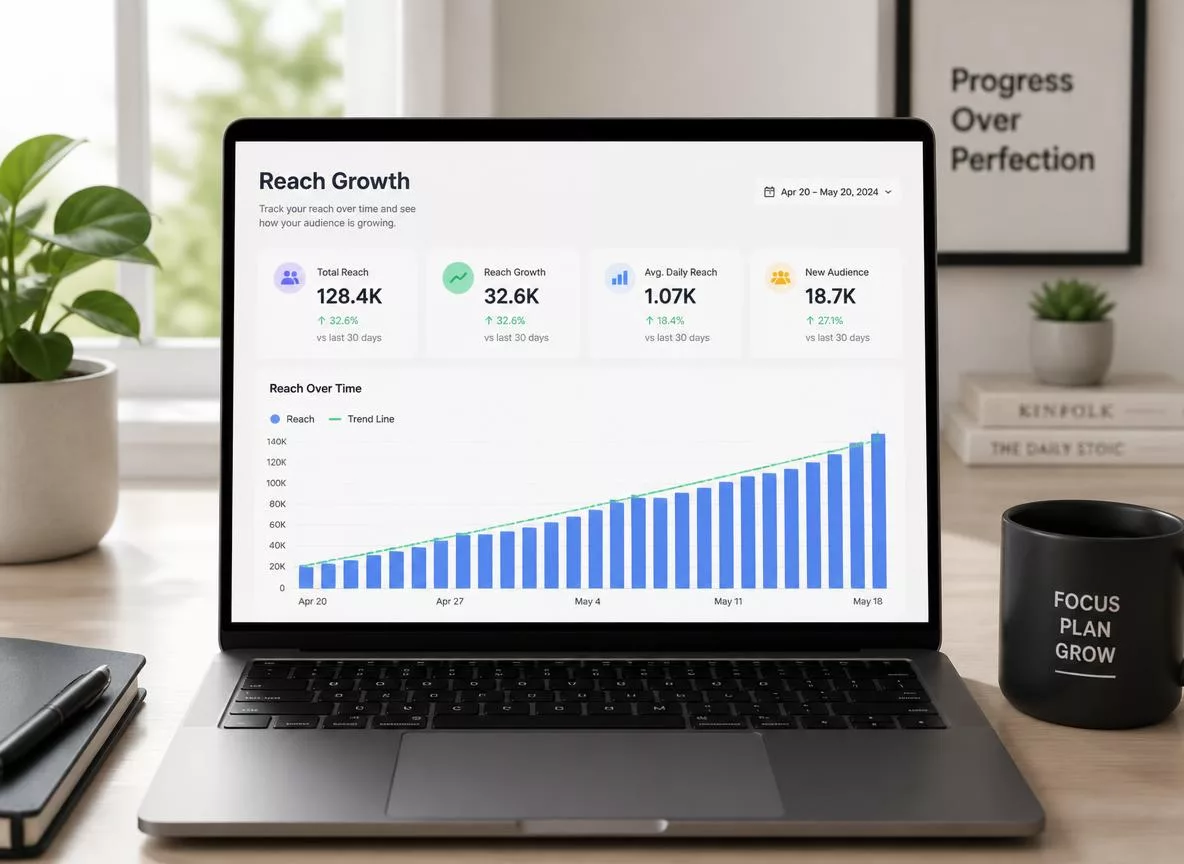
The gap was not small. Accounts that consistently replied to comments across their posting history saw their average reach climb steadily over several months, while similar accounts that rarely engaged in their own comment sections saw comparatively flat or declining reach over the same period, despite posting similar volumes of content.
Perhaps most interesting, the data showed that replies did not need to be lengthy or elaborate to have an effect. Short, genuine responses performed just as well as longer ones in terms of their impact on reach, suggesting that the act of replying itself matters more than the specific content of the reply.
This data lines up with what many platforms have been signaling for a while now, that they are increasingly prioritizing content that generates genuine back and forth interaction over content that simply accumulates passive engagement like likes.
Why Replying to Comments Actually Boosts Reach
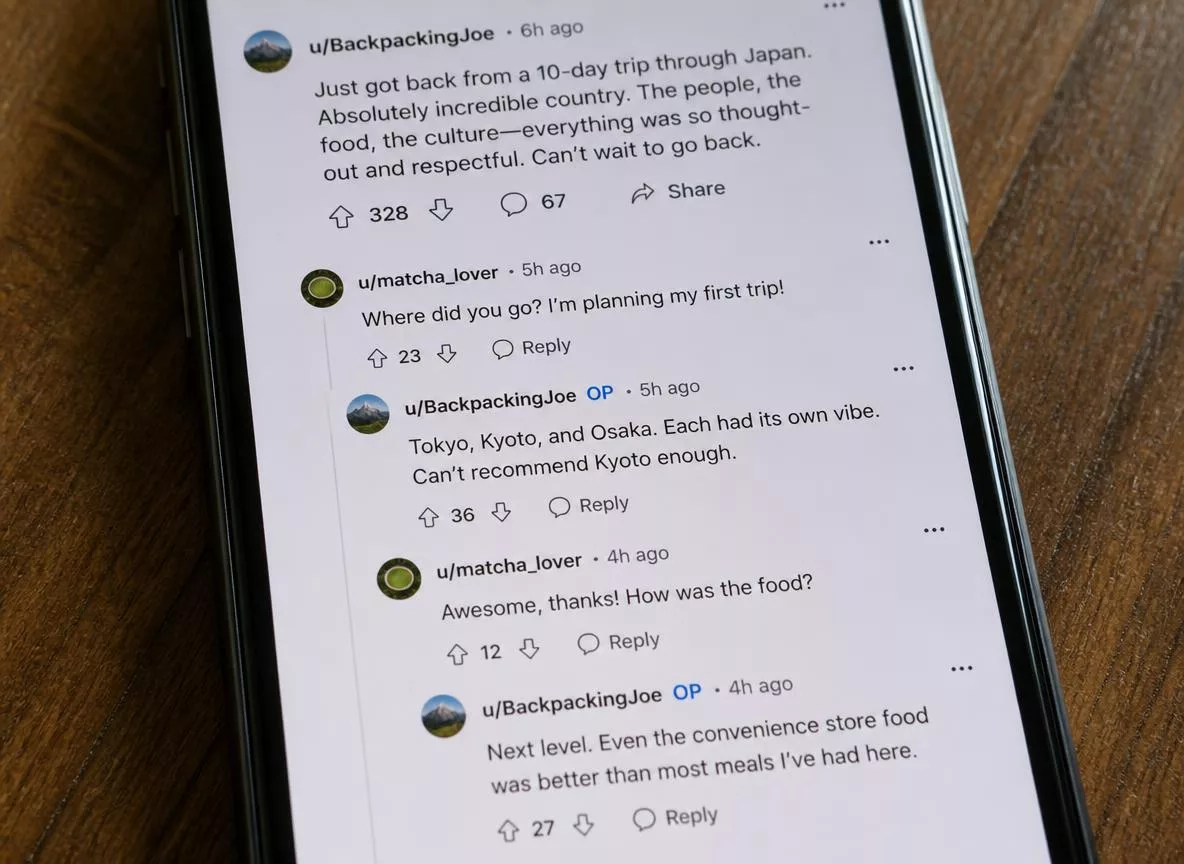
Understanding why this works requires looking at how modern algorithms interpret engagement. A comment on its own tells a platform that someone found the content interesting enough to respond to. But a reply from the creator turns that single comment into a conversation thread, and conversation threads carry significantly more weight as an engagement signal.
Each reply effectively extends the life of the engagement window on a post. Instead of the comment section going quiet shortly after posting, a creator actively replying keeps the thread alive, often prompting the original commenter or other users to respond again, which creates a longer period of measurable activity for the algorithm to observe.
There is also a psychological element at play. When people see a creator actually responding to comments, they are more likely to comment on future posts themselves, since they have direct evidence their comment might actually get a response. This creates a compounding effect where reply habits gradually train an audience to engage more actively over time.
Algorithms also appear to treat reply chains as a stronger signal of content quality than isolated comments. A post with ten comments and no replies from the creator is treated differently than a post with ten comments where the creator responded to several of them, even if the total comment count is identical.
The Difference Between Fast and Slow Replies
Timing turns out to matter almost as much as the act of replying itself. The 2026 data specifically highlighted that replies sent within the first hour after a comment was posted had a noticeably stronger effect on reach than replies sent later, even if the later reply was more thoughtful or detailed.
This makes sense when you consider how the early engagement window works more broadly. Platforms are testing content performance heavily in the first hour or so after posting, and a lively, active comment section during that window signals strong content performance more effectively than the same level of engagement spread out over a full day.
Replies sent many hours or even a day later still have some positive effect compared to no reply at all, but the data suggests the impact diminishes significantly the longer the gap between the original comment and the creator's response.
This timing sensitivity is part of why building a habit around checking comments soon after posting, rather than replying whenever convenient, appears to matter so much for maximizing the reach benefit.
What Kinds of Replies Perform Best
Not all replies are created equal, though the differences are more about approach than length or polish. Genuine, specific replies that reference something in the original comment tend to prompt further engagement more effectively than generic responses.
A reply that simply says thanks or uses an emoji still has some positive effect compared to no reply at all, but replies that ask a follow up question or add a small piece of additional information tend to be more likely to spark a continued conversation, which extends the engagement window even further.
Replies that acknowledge the commenter directly, rather than responding as if to an anonymous audience, also appear to perform slightly better, likely because they feel more personal and are more likely to prompt the original commenter to respond again.
Interestingly, replies do not need to be perfectly polished or professional to be effective. Casual, authentic responses that match the tone of the platform and the original comment tend to perform just as well as more formal ones, sometimes better, since they feel more genuine.
Practical Ways to Build a Comment Reply Habit
Turning this insight into a consistent habit is more about building a repeatable system than relying on willpower alone. Here are practical steps to make it work.
- Set aside dedicated time immediately after posting to check and respond to comments, treating this as part of the posting process itself rather than a separate task to handle later whenever you get around to it.
- Prioritize replying to the first comments that come in, since these tend to arrive during the critical early engagement window where replies appear to have the strongest effect on reach.
- Keep replies genuine and specific rather than defaulting to generic responses, since replies that reference something specific in the original comment tend to spark further conversation more effectively.
- Ask a follow up question in your replies where it feels natural, since this invites the commenter to respond again and extends the engagement window on the post.
- Set a realistic time limit for comment replies so the habit stays sustainable, rather than feeling like an open ended task that could consume unlimited time after every single post.
- If your comment volume becomes difficult to manage as you grow, prioritize replying to comments during the first hour specifically, since that window appears to carry the most weight, even if you are not able to reply to every comment that comes in later in the day.
Common Mistakes That Undermine the Comment Reply Effect
A few habits can quietly reduce the reach benefit that comment replies are capable of providing. Posting and immediately closing the app is one of the most common, since it means missing the critical early window where replies seem to have the strongest impact.
Replying only to comments from well known accounts or larger followings while ignoring smaller or newer commenters can also work against building the kind of broad, active comment section that seems to benefit reach the most.
Using the exact same generic reply across many comments, rather than tailoring responses even slightly, tends to reduce the likelihood that commenters will respond again, which shortens the engagement window compared to more specific replies.
Batching all comment replies into a single session hours or a day after posting, rather than replying promptly after publishing, misses much of the reach benefit the 2026 data associated specifically with fast response times.
How This Fits Into a Broader Growth Strategy
Replying to comments should not be viewed as a replacement for other growth fundamentals like content quality, consistency, or posting at the right times for your audience. Instead, it works best as a complementary habit layered on top of an already solid content strategy.
Accounts already posting consistently and creating strong content tend to see the clearest benefit from adding a comment reply habit, since the underlying content is already performing reasonably well and the reply habit simply extends and strengthens the engagement signals that content generates.
For accounts still building their content quality or consistency, replying to comments is still worth doing, but it works best as one piece of a broader strategy rather than a standalone fix for reach that is not growing due to other underlying issues.
This makes comment replies a particularly attractive habit to build, since they require relatively little additional effort compared to content creation itself, yet the 2026 data suggests they can meaningfully move the needle on reach when done consistently and promptly.
Building a Sustainable Comment Reply Routine
The goal is to build a routine that fits naturally into your existing posting process rather than adding significant additional time or pressure. Start by simply committing to spend a short, defined period after each post checking and replying to comments, rather than trying to reply to everything indefinitely.
If you post across multiple platforms, prioritize the platforms where replying appears to have the clearest impact on your specific reach and engagement patterns, rather than trying to apply the exact same reply habit uniformly everywhere.
Track whether your reach trends upward over the weeks after building this habit consistently, since the compounding nature of the effect means it may take some time before the pattern becomes clearly visible in your own account performance.
If maintaining fast reply times becomes difficult as your account grows, consider whether tools or light automation for flagging new comments quickly could help you stay within that critical early response window without requiring constant manual checking.

Conclusion
The 2026 data makes a compelling case that replying to comments is one of the simplest and most underused ways to boost reach, requiring no changes to your actual content and relatively little additional time investment. The accounts that build a consistent, prompt comment reply habit are seeing measurable benefits that compound over time, while accounts that skip this step are leaving a straightforward growth lever untouched. Start treating your comment section as part of the posting process rather than an afterthought, reply promptly and genuinely, and give this simple habit the chance to move your reach in the direction the data suggests it can.
Give Your Posts a Reach Boost
Build the early engagement signals that help your content and comment threads get noticed.
Explore Growth Services