TikTok Shop and Social Commerce: A Beginner's Guide for Small Brands
If you have a small brand and you have not looked into TikTok Shop yet, you are missing out on one of the fastest growing sales channels available right now. What started as a video sharing app has quietly become a full shopping destination, and small brands are using it to reach new customers without needing a massive advertising budget or an established online store presence.
Social commerce, the practice of buying and selling directly within a social media platform rather than clicking through to a separate website, has moved from a nice-to-have to a genuine growth channel that small brands cannot afford to ignore. TikTok Shop specifically has made this process remarkably accessible, letting brands showcase products in videos and livestreams while customers complete their purchase without ever leaving the app.
This guide walks through what TikTok Shop actually is, how it works, and exactly how a small brand can get started, even with limited resources or experience selling on social media.

What TikTok Shop Actually Is
TikTok Shop is a built-in shopping feature that lets brands and creators sell products directly through the TikTok app. Instead of posting a video and hoping viewers click a link elsewhere, sellers can tag products directly in their videos and livestreams, letting viewers purchase without leaving TikTok at all.
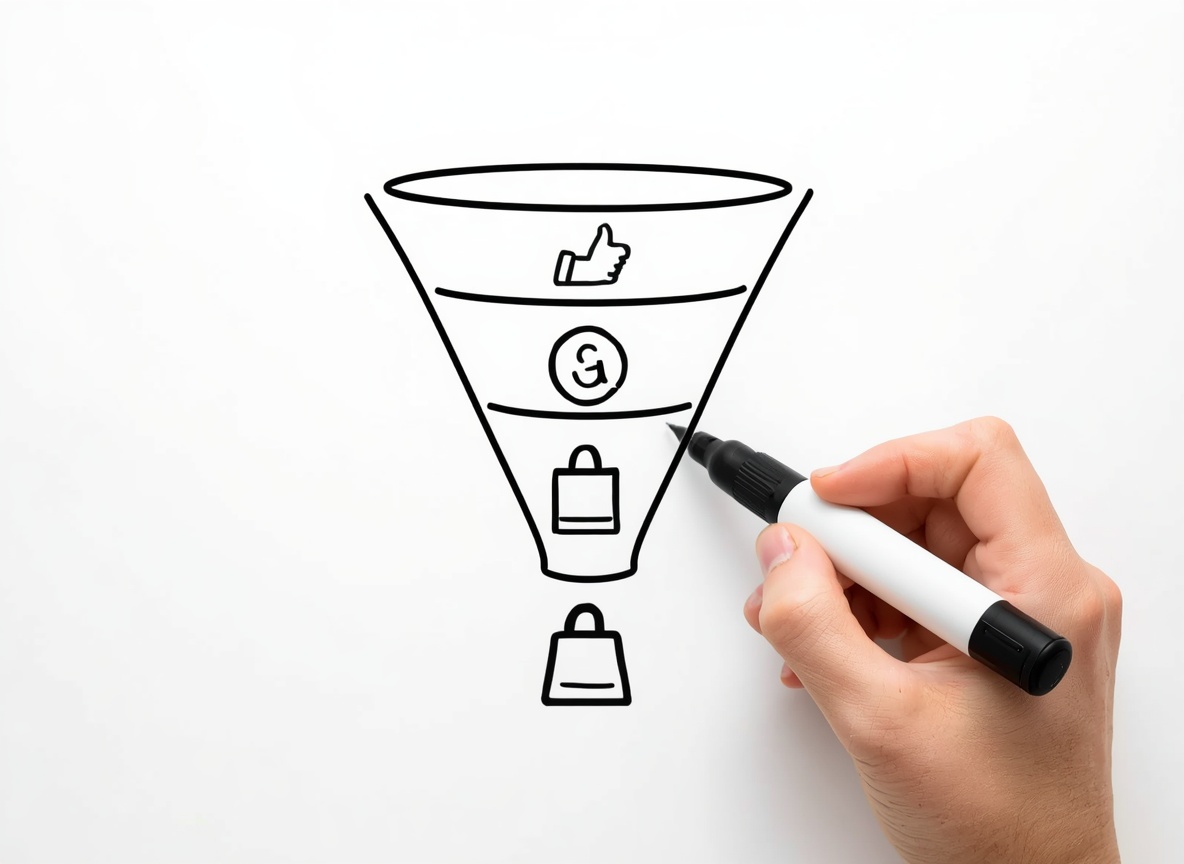
This matters because it removes friction from the buying process. Traditional social media marketing often relies on driving traffic to an external website, and every extra click or page load is an opportunity for a potential customer to lose interest and abandon the purchase. TikTok Shop keeps the entire experience in one place, which tends to result in higher conversion rates for many sellers.
The platform supports several ways to sell, including product links in regular videos, dedicated shopping livestreams, and a shop tab on a brand's profile where customers can browse the full product catalog directly. This flexibility means brands can experiment with different formats to see what resonates best with their specific audience.
For small brands especially, this represents a genuine opportunity to compete without needing the marketing budget of a larger company, since organic reach on TikTok can still meaningfully drive sales when the content itself is engaging and well targeted.
Why Social Commerce Is Growing So Quickly
Social commerce has grown rapidly because it aligns with how people already behave on these platforms. Users are scrolling, discovering, and engaging with content constantly, and inserting a purchase option directly into that flow feels far more natural than redirecting someone away from the app they are already using.
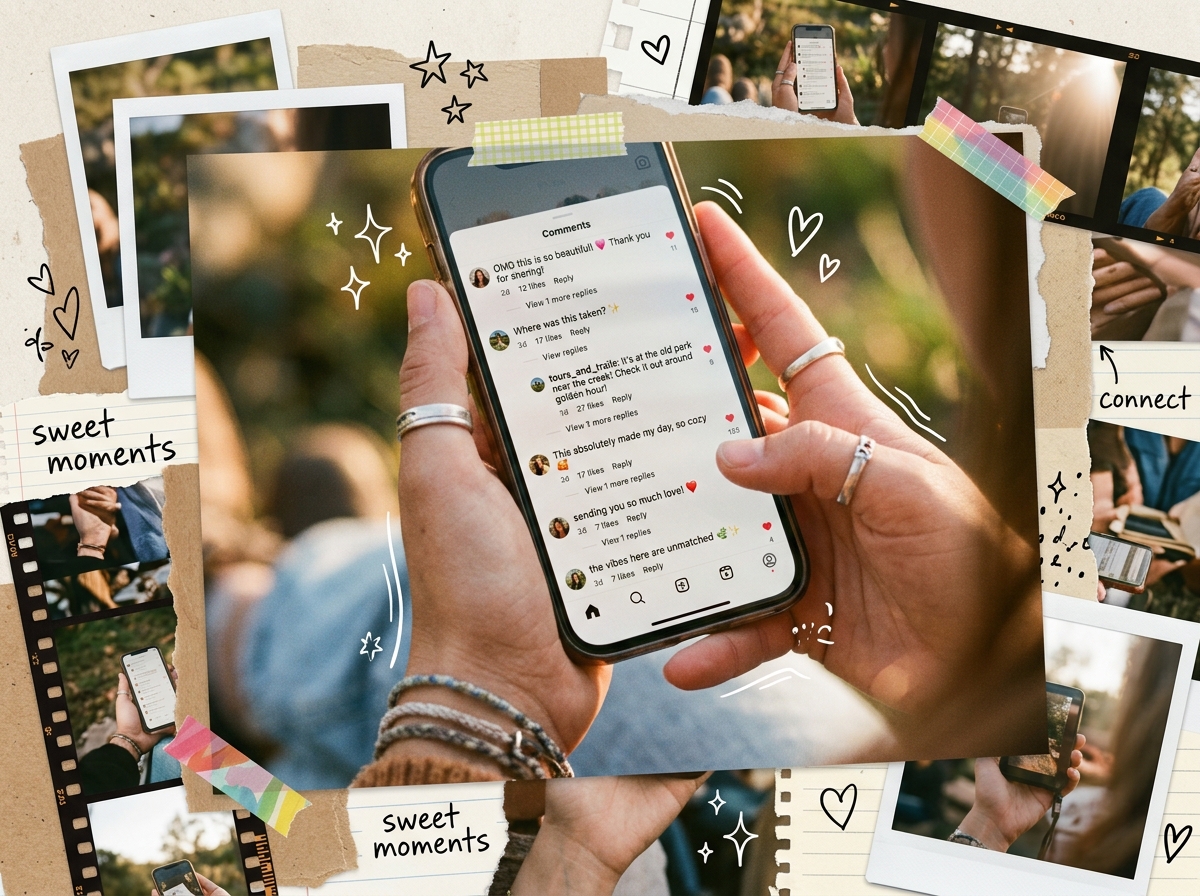
Trust plays a major role too. Seeing a product demonstrated in an authentic looking video, especially from a creator or small brand rather than a polished traditional advertisement, tends to feel more genuine to shoppers. This authenticity often translates into higher purchase confidence compared to more traditional ecommerce advertising.
The entertainment factor cannot be overlooked either. Shopping through short videos or livestreams feels less like a chore and more like a form of entertainment, which keeps people engaged longer and increases the likelihood of an impulse purchase compared to a traditional static product listing.
For small brands, this shift matters because it levels the playing field somewhat. A well made, authentic video from a small brand can perform just as well, sometimes better, than a highly produced advertisement from a larger competitor, since audiences on these platforms often respond more to authenticity than production value.
Getting Started With TikTok Shop
Setting up a TikTok Shop account involves a few key steps, and understanding the process upfront can save time and frustration. The first step is registering as a seller through TikTok's seller center, which requires providing basic business information and agreeing to the platform's seller policies.
Once approved, the next step is uploading your product catalog, including clear product photos, accurate descriptions, and pricing. This catalog becomes the foundation for everything else, since it is what gets tagged in videos and displayed in your shop tab, so investing time in quality product listings pays off across every other part of the process.
Setting up payment and shipping details comes next, ensuring you can actually fulfill orders once they start coming in. Small brands should pay particular attention to shipping timelines and costs at this stage, since customers on TikTok often expect a relatively fast and smooth fulfillment experience similar to what they get from larger platforms.
Finally, connecting your existing TikTok content strategy to your new shop means starting to tag products in your videos and considering whether livestream shopping events make sense for your specific product category and audience.
Creating Content That Actually Sells
Content built for TikTok Shop needs a slightly different approach than general brand awareness content. While entertainment value still matters enormously, successful shop content also needs to clearly show the product, demonstrate its use, and make the buying decision feel easy for the viewer.
Product demonstration videos tend to perform particularly well, especially when they show the product solving a specific, relatable problem rather than simply describing features in a list format. Viewers respond more strongly to seeing a product in action than reading about its specifications.
Authentic, unpolished content often outperforms highly produced advertisements on TikTok specifically, since the platform's culture favors content that feels native to the app rather than obviously promotional. This is genuinely good news for small brands without access to professional production resources.
User generated content and creator partnerships can also be powerful for TikTok Shop specifically, since seeing a real person genuinely enjoy or recommend a product tends to build more purchase confidence than brand created content alone, even when the brand content is well made.
Understanding Livestream Shopping
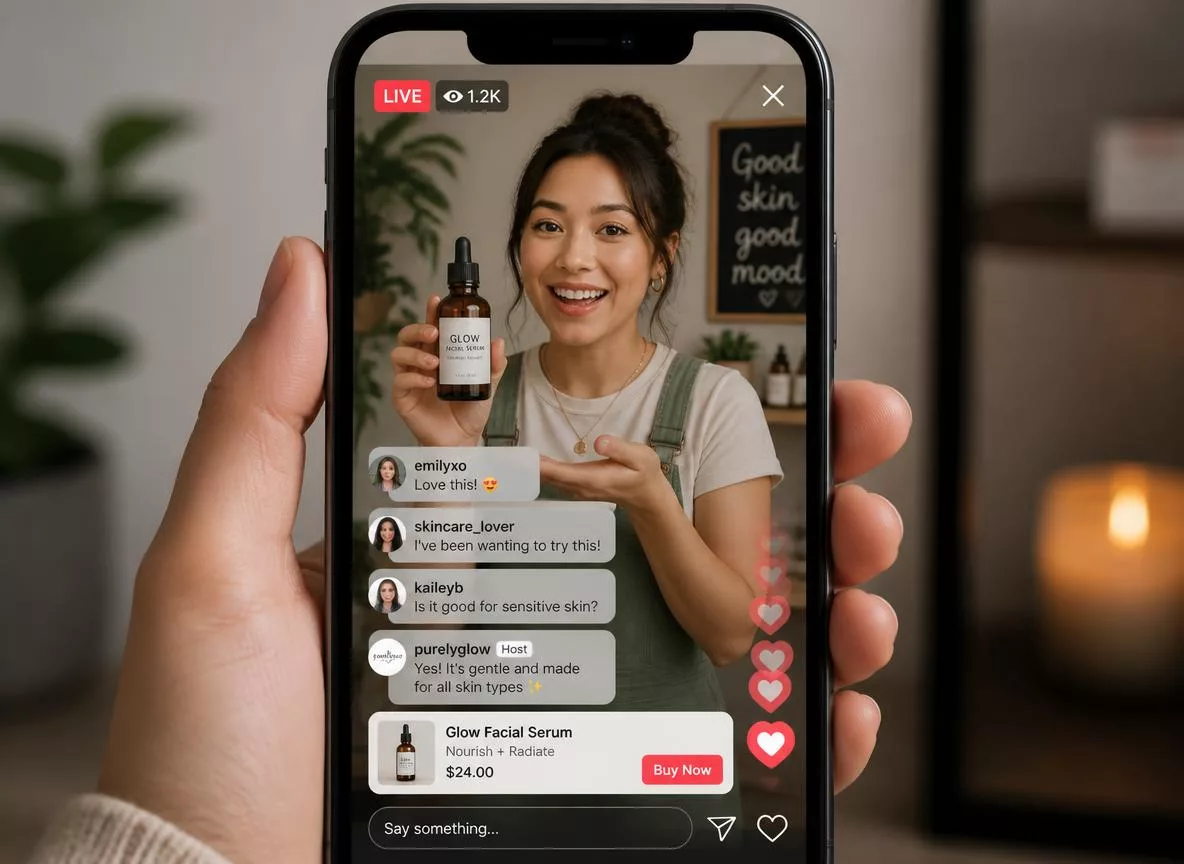
Livestream shopping deserves special attention because it represents one of the most powerful, and most underutilized, tools available to small brands on TikTok Shop. During a livestream, sellers can showcase products in real time, answer questions immediately, and create a sense of urgency that static content simply cannot replicate.
The interactive nature of livestreams builds trust quickly, since viewers can see genuine reactions, ask direct questions, and watch products being used or demonstrated in real time rather than through an edited clip. This immediacy often leads to higher conversion rates during live sessions compared to standard video content.
Small brands do not need elaborate production setups to run effective livestreams. A simple, well lit space with a stable phone camera and a seller who is comfortable talking naturally about their products is often more effective than an overly polished, scripted presentation that can feel less authentic to viewers.
Running livestreams consistently, rather than as a one-time experiment, tends to produce better results over time, since regular viewers begin to anticipate these sessions and audiences build familiarity with the brand and its products through repeated exposure.

Practical Tips for Small Brands Starting Out
Here are concrete steps to help small brands get real traction on TikTok Shop without feeling overwhelmed by the process.
- Start with a small, focused product catalog rather than listing everything at once, since a curated selection makes it easier to create quality content around each item and helps avoid overwhelming new customers browsing your shop.
- Prioritize product photos and videos that clearly show scale, texture, and real world use, since customers cannot physically handle the product before purchasing and clear visuals help reduce hesitation and returns.
- Engage genuinely with comments and questions on your shop content, since responsiveness builds trust and often directly influences purchase decisions for viewers who are still deciding.
- Experiment with both pre-recorded shoppable videos and livestream sessions early on to learn which format resonates better with your specific audience and product category before committing heavily to one approach.
- Keep a close eye on which specific products and content styles are generating the most sales, then lean further into what is working rather than spreading effort evenly across everything.
Common Mistakes Small Brands Should Avoid
A number of avoidable mistakes can slow down or undermine a small brand's early success with TikTok Shop. Treating shop content exactly like traditional advertising, rather than adapting to the platform's native, casual style, tends to underperform significantly compared to content that feels authentic to TikTok's culture.
Neglecting fast, clear communication with customers after purchase, including shipping updates and responsive customer service, can quickly damage trust and lead to negative reviews that hurt future sales, especially for a small brand still building its reputation.
Overcomplicating the product catalog with too many similar items or unclear descriptions can overwhelm potential customers and make the buying decision harder rather than easier, which tends to reduce conversion rates.
Giving up too quickly after a slow start is another common issue, since building traction on any new sales channel typically takes consistent effort over weeks or months rather than producing significant results from the very first few videos.
Building Long Term Success on TikTok Shop
Sustainable success on TikTok Shop comes from treating it as an ongoing channel rather than a short term experiment. This means consistently creating new content, staying responsive to customer feedback, and continuously refining your approach based on what the data shows is actually working.
Building a recognizable brand presence matters here too, since customers who enjoy one purchase experience are more likely to return, engage with future content, and even recommend the brand to others, creating a compounding effect similar to what happens on other social platforms when a consistent presence is maintained over time.
As your comfort and results with TikTok Shop grow, consider expanding into more advanced strategies like creator partnerships, more frequent livestream events, or a broader product catalog, always building on what has already proven successful for your specific brand and audience.
Staying updated on platform features and trends matters as well, since TikTok Shop continues to evolve with new tools and