Social Commerce Is Booming — Is Your Brand Ready to Sell Where You Post?
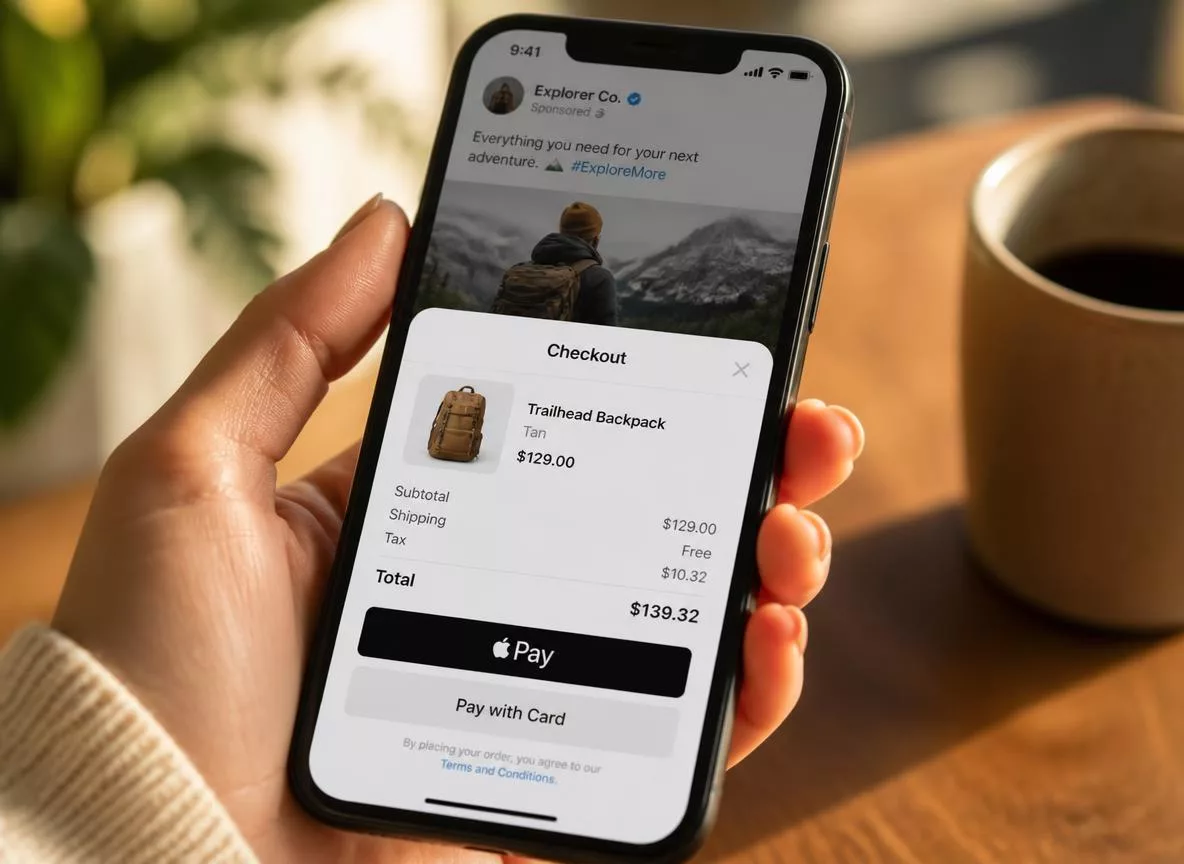
There was a time when social media was purely a discovery tool, a place to build awareness and then hope people clicked through to an actual store to buy something. That gap between discovery and purchase has been closing fast, and in 2026 it has essentially disappeared on several major platforms. Social commerce, the ability to browse, decide, and buy without ever leaving the app, is no longer an experimental feature, it is becoming a primary sales channel for brands of every size.
This shift raises a real question for a lot of businesses. If your customers can now buy directly from the platforms where they already spend their time, is your brand actually set up to sell there, or are you still relying on an outdated model that sends people through extra steps most of them will not bother completing. The brands treating social commerce as optional right now are likely to find themselves at a real disadvantage as this behavior becomes the norm rather than the exception.
This post breaks down what is actually driving the social commerce boom, what it takes for a brand to genuinely be ready to sell where people already post, and the practical steps to get there without overhauling your entire operation overnight.
Why Social Commerce Has Exploded
The core driver behind social commerce's growth is friction removal. Every additional step between someone seeing a product and completing a purchase is an opportunity for them to lose interest, get distracted, or simply decide it is not worth the effort. Social commerce collapses that entire journey into a single, seamless experience within an app people already trust and use daily.
Trust plays a major role as well. Purchases made through content from creators or brands people already follow tend to feel more personal and less like traditional advertising, which increases buyer confidence compared to clicking an ad that leads to an unfamiliar website. This authenticity factor has become a genuine competitive advantage for brands that lean into it effectively.
Platform investment has accelerated this trend significantly too. Major social platforms have poured resources into building out shopping features, recognizing that keeping transactions in-app benefits their own business model while also genuinely improving the user experience for shoppers who no longer have to jump between apps or websites.
Consumer behavior has simply adapted to match what is now possible. A generation of shoppers who grew up scrolling social feeds increasingly expects to be able to buy directly from the content they are already engaging with, rather than treating social media purely as a discovery layer that exists separately from the actual purchase.
What It Actually Means to Be Ready
Being ready for social commerce is not just about technically enabling a shopping feature on your profile, though that is certainly part of it. Genuine readiness involves rethinking how your content, catalog, and customer experience work together within the platform itself.
Your product catalog needs to be genuinely optimized for in-app discovery, meaning clear, high quality visuals, accurate descriptions, and pricing that displays correctly within the shopping interface, not just adequate enough for a traditional ecommerce website that customers navigate separately.
Your content strategy needs to account for both discovery and conversion happening in the same space, which is a different mindset than creating content purely for brand awareness and hoping it eventually drives traffic elsewhere. Content now needs to work harder, doing double duty as both entertainment and a genuine sales tool.
Your operational side, including fulfillment, customer service, and payment processing, needs to be capable of handling orders that originate and often complete entirely within the platform, which may require new integrations or workflow adjustments depending on your current setup.

Signs Your Brand Might Not Be Ready Yet
Certain signals suggest a brand still has meaningful work to do before it can genuinely capitalize on social commerce, even if shopping features are technically enabled on the account.
If your product catalog on social platforms is thin, outdated, or inconsistent with what is available on your main website, potential customers browsing in-app are likely to encounter confusion or missing information that stalls the purchase decision before it happens.
If your content still primarily drives traffic to an external website rather than featuring in-app shoppable tags or links, you may be adding unnecessary friction that costs you sales, even if your content itself is performing well in terms of views and engagement.
If your team has not tested the actual in-app purchase flow from a customer's perspective, you may be missing friction points, broken links, or confusing steps that are costing you conversions without anyone on your team realizing it.
If your fulfillment and customer service processes were not built with the volume or speed expectations of in-app shopping in mind, growing social commerce sales could quickly outpace your ability to deliver a good post-purchase experience.
Building a Content Strategy That Actually Sells
Content built for social commerce needs to balance entertainment value with genuine product visibility, since purely promotional content tends to underperform on platforms where audiences expect content to feel native and engaging rather than obviously salesy.
Product demonstration content, showing an item being used in a realistic, relatable context, tends to perform particularly well, since it helps potential buyers visualize the product in their own life rather than just seeing a static, staged product photo.
Behind the scenes content that shows the people and process behind a brand can build the kind of trust and connection that makes shoppers more comfortable buying directly through social media, particularly for smaller or newer brands still building credibility.
Consistent posting that features products naturally within a broader content mix, rather than every single post being an obvious sales pitch, tends to build a healthier long term relationship with an audience that continues to convert well over time rather than fatiguing quickly.
Practical Steps to Get Your Brand Ready
Here are concrete actions to move your brand toward genuine social commerce readiness.
- Audit your current product catalog on each platform where you have shopping enabled, ensuring photos, descriptions, and pricing are accurate, complete, and optimized specifically for how that platform displays product information.
- Test your own purchase flow from start to finish as if you were a customer, identifying any confusing steps, broken links, or unnecessary friction that could be costing you conversions without your team's awareness.
- Build a content calendar that intentionally balances entertainment, brand building, and product-focused content, rather than treating social commerce as something separate from your broader content strategy.
- Ensure your fulfillment and customer service teams understand the specific expectations that come with in-app purchases, including typical shipping timelines and communication norms customers have come to expect from social commerce specifically.
- Start small if you are not ready to fully commit, testing social commerce with a limited product selection before expanding your full catalog, so you can work out operational kinks without overwhelming your team.
Common Mistakes Brands Make With Social Commerce
A number of avoidable missteps can undermine social commerce performance even for brands that have technically set up the necessary features.
Treating social commerce exactly like traditional ecommerce, without adapting content or catalog presentation to feel native to the platform, tends to underperform compared to approaches specifically tailored to how people actually browse and shop within social apps.
Neglecting to update product information consistently across platforms can create confusion or mistrust when customers notice discrepancies between what they see on social media and what is actually available or accurately priced.
Underestimating the operational side, particularly fulfillment speed and customer communication, can quickly turn early social commerce success into a reputation problem if the back end cannot keep pace with front end sales growth.
Giving up too quickly after a slow initial launch is another common mistake, since building traction on any new sales channel typically takes sustained effort and iteration rather than producing significant results immediately.

How Different Business Sizes Should Approach This
Larger brands with established ecommerce operations generally have an easier time technically enabling social commerce, but often face more internal complexity in adapting content and workflows across multiple teams and existing systems.
Smaller brands and independent sellers often have more agility to adapt quickly, but may need to invest more deliberately in content creation and operational planning, since they may not have dedicated teams already handling these functions separately.
Regardless of size, the brands seeing the strongest results tend to be the ones treating social commerce as a genuine, ongoing channel worth dedicated strategy and resources, rather than a feature they enabled once and largely ignored afterward.
Understanding your own specific capacity and constraints, then building a realistic, sustainable approach around them, tends to produce better long term results than trying to match what a much larger or much smaller competitor is doing without adapting it to your actual situation.
Where Social Commerce Is Heading Next
The trajectory suggests social commerce will continue expanding rather than plateauing, with platforms continuing to invest in more sophisticated shopping features, better creator and brand tools, and deeper integration between content and purchasing.
Brands that build genuine social commerce competency now are likely to be better positioned as these features continue evolving, since they will already have the content, catalog, and operational habits in place rather than needing to catch up later under greater competitive pressure.
Staying attentive to new features and shifts in how platforms present shopping experiences will likely remain important, since the specific tactics that work best may continue to shift even as the overall trend toward in-app purchasing continues to strengthen.

Conclusion
Social commerce has moved from an interesting experiment to a genuine expectation for how a growing share of consumers want to shop, and brands that are not seriously preparing for this shift risk falling behind as the behavior becomes increasingly standard rather than novel. Being ready means more than flipping on a shopping feature, it means rethinking your catalog, content, and operations to genuinely work within the platform your customers already spend their time on. Take an honest look at your current readiness today, start closing the gaps that matter most, and give your brand the chance to meet customers exactly where they already are.
Build the Audience Your Shop Needs
Grow the following that turns your social commerce content into genuine sales.
Explore Growth Services