Why Early Engagement Signals Matter More Than Ever for Instagram Growth
There is a small window right after you hit publish on Instagram that matters more than almost anything else you do with that post. It is not the caption, it is not the hashtags, and it is not even the quality of the content on its own. It is what happens in the first few minutes and the first hour after that post goes live. That short window is when Instagram decides how far your content is going to travel, and if it does not get the right kind of response early, no amount of quality will fully make up for it later.
This is the part of Instagram growth that most people underestimate. They pour hours into planning a shoot, writing the perfect caption, and picking the right filter, then they publish and walk away. Meanwhile, the accounts that consistently grow are doing something different in that first hour, and it is not complicated, it is just intentional.
This post breaks down exactly why early engagement matters so much right now, what counts as an early signal, and what you can actually do to make that first hour count.
What Early Engagement Signals Actually Are
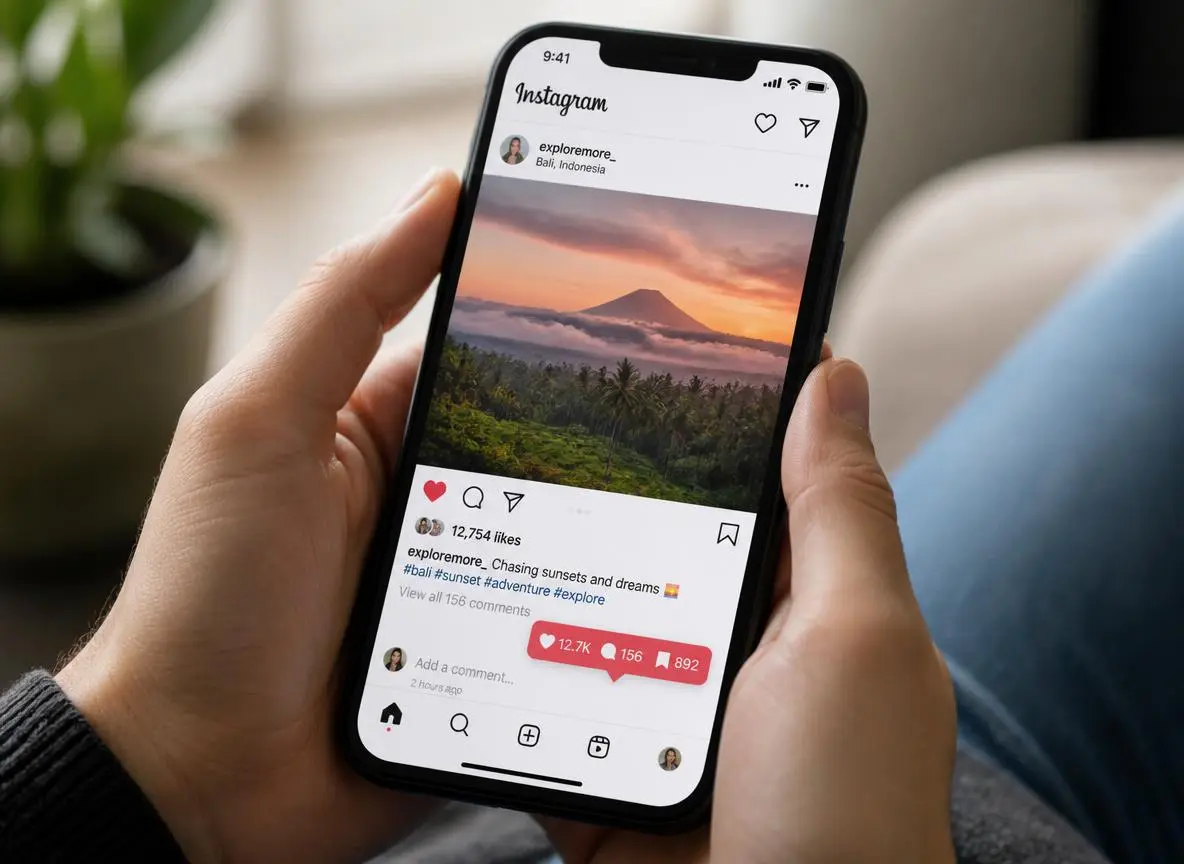
Early engagement signals are the interactions your post receives in the short window immediately after it is published, typically the first thirty to sixty minutes. This includes likes, comments, saves, shares, and how long people spend looking at the post before scrolling past it.
Instagram uses this early window as a test. It shows your post to a small sample of your existing followers first, then watches how they react. If the reaction is strong, meaning people are engaging quickly and meaningfully, the platform interprets that as a signal the content is worth showing to a wider audience, including people who do not already follow you.
If the early reaction is weak or slow, Instagram treats that as a sign the content might not be interesting enough to push further, and it quietly stops expanding the audience for that post. This is why two posts of similar quality can perform completely differently, the difference often comes down to what happened in that first hour, not the content itself.
Understanding this test and response system changes how you should think about publishing. It is not just about creating good content, it is about setting that content up to perform well the moment it goes live.
Why This Matters More Than Ever Right Now
Instagram's algorithm has become increasingly focused on efficient content distribution. The platform does not want to show content to a broad audience only to find out later that people were not interested. It would rather test on a small scale first and expand only when the signals justify it.
This shift means the platform is putting more weight on speed and quality of early reaction than it used to. A post that slowly accumulates engagement over several days is treated very differently from a post that gets a strong burst of engagement right away, even if the total numbers eventually look similar.
For creators and brands, this means timing and preparation now matter as much as content quality. You can create something genuinely great, but if it launches into silence for the first hour, its reach potential drops significantly before most of your audience even has a chance to see it.
The accounts pulling ahead right now are the ones who have built systems, even simple ones, to activate their audience the moment a post goes live, rather than posting and hoping engagement happens organically.
How Instagram Uses the First Hour to Decide Reach
Think of your first hour of engagement as a pitch to the algorithm. Instagram is essentially asking a small test audience, mostly your existing followers, whether this content deserves a bigger stage. The answer they give through their behavior determines what happens next.
If people like, comment, save, or share quickly, Instagram reads that as high confidence the content is valuable. It starts showing the post to more people outside your existing follower base, often through the Explore page or suggested content sections.
If engagement trickles in slowly or people scroll past without interacting, the platform reads that as low confidence. It may still show your post to your full follower list eventually, but the chances of it reaching new audiences through Explore or recommendations drops sharply.
This is also why posting at the right time for your specific audience matters so much. If you publish when your followers are asleep or inactive, you lose the early engagement window entirely, and by the time people do see it, the algorithm has often already moved on to testing other content.

The Signals That Carry the Most Weight
Not all engagement is treated equally in that first hour. Some actions tell Instagram much more about content quality than others, and understanding the hierarchy helps you know what to prioritize.
Saves are one of the strongest signals available. When someone saves a post within the first hour, it tells Instagram this content has value beyond a quick scroll, something worth returning to. Accounts that create genuinely useful or inspiring content tend to see more early saves than accounts posting purely for entertainment.
Shares, especially to Stories or direct messages, are treated as an extremely strong signal too. A share means someone found the content worth putting in front of their own audience or a specific friend, which is a much bigger endorsement than a passive like.
Comments, particularly longer or more thoughtful ones, carry significant weight as well. A single word comment is worth less than a comment that sparks a reply from you or from other users, since that kind of back and forth signals real engagement rather than a reflexive tap.
Likes still matter, but they carry the least weight of the major engagement types. They are the easiest action to take and the least predictive of whether someone actually found value in the content, so Instagram treats them as a baseline signal rather than a strong one.
Practical Ways to Boost Early Engagement
Here are concrete steps you can take to strengthen that critical first hour window.
- Post when your specific audience is most active, not just at generic best posting times you find online. Check your own insights to see when your followers are typically online, since this varies significantly between accounts and niches.
- Give your most engaged followers a heads up before or right when you post, whether that is through a Story teaser or a quick message to a close friends list, so they are ready to engage the moment the post goes live.
- Write captions that prompt a specific response, like asking a direct question or inviting people to share their own experience, rather than a generic caption that gives people nothing obvious to comment on.
- Reply to early comments within the first few minutes rather than hours later. Fast replies keep the comment thread active longer, which extends the engagement window and signals ongoing conversation to the algorithm.
- Use your Story immediately after posting to point followers directly to the new post, since this can drive a concentrated burst of traffic and engagement right when it matters most.
- Consider using an engagement service to give new posts a reliable early boost while you build your organic engagement habits, especially during periods when your organic reach has slowed and you need a dependable way to signal quality to the algorithm quickly.
Common Mistakes That Waste the First Hour
A number of habits quietly undermine the early engagement window without creators realizing it.
Posting inconsistently at random times throughout the week makes it hard to build a reliable audience habit, which means fewer people are actively checking Instagram at the exact moment you publish.
Disappearing after hitting publish is one of the most common mistakes. Creators who post and then close the app miss the opportunity to reply to early comments, which shortens the engagement window and signals less activity than the post could have generated.
Overloading captions with hashtags instead of a genuine hook or question wastes the caption's potential to prompt real interaction, leaving early engagement lower than it could be.
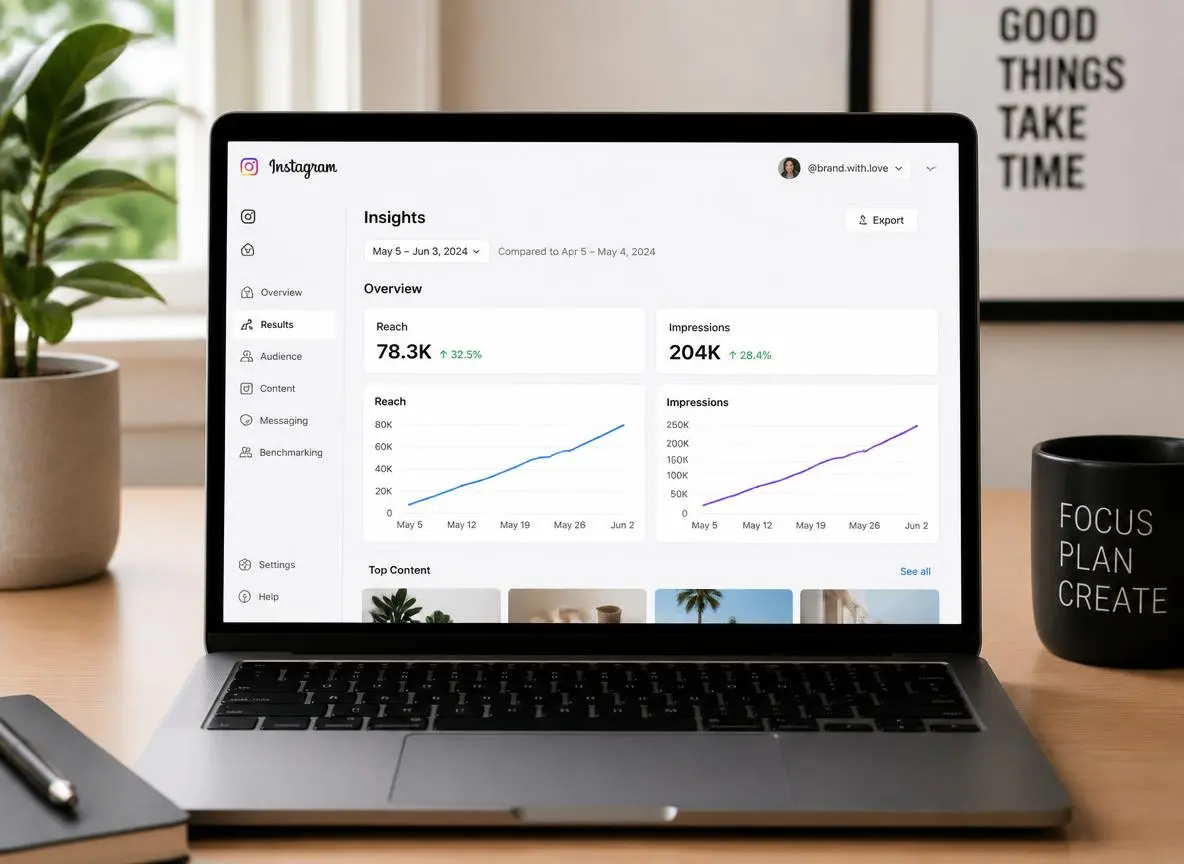
Ignoring your own analytics and guessing at posting times based on generic advice rather than your actual audience behavior means missing the window when your specific followers are most likely to engage quickly.

How Early Engagement Compounds Over Time
The benefits of strong early engagement do not stop at a single post. Accounts that consistently trigger strong first hour signals tend to build a kind of momentum with the algorithm over time, where each successful post makes the next one slightly more likely to also perform well.
This happens because Instagram is not just evaluating individual posts in isolation, it is also building a broader picture of how reliably an account produces content people engage with. Accounts with a strong pattern of early engagement tend to see their average reach climb steadily, not just spike on individual posts.
This is part of why the gap between growing and stagnant accounts often widens over time rather than staying constant. The accounts building strong early engagement habits are compounding that advantage post after post, while accounts without that habit are essentially starting from scratch each time they publish.
Building this kind of momentum takes patience, but it is one of the most sustainable ways to grow, because it is based on real signals the algorithm is already designed to reward, rather than tactics that might stop working after the next update.
Building a Repeatable First Hour Strategy
The goal is not to scramble every time you post, it is to build a repeatable process you can follow consistently. Start by identifying your actual peak activity windows using your account insights, then commit to publishing within those windows as often as your content schedule allows.
Prepare your caption with a clear prompt for interaction before you publish, not as an afterthought. Have a plan for how you will spend the first fifteen to twenty minutes after posting, whether that means replying to comments, sharing to your Story, or reaching out to a few engaged followers directly.
If your organic early engagement has been inconsistent while you build these habits, pairing your process with a reliable engagement boost can help maintain the signal strength Instagram is looking for, giving your content a fair chance to be tested with a wider audience while your organic strategy catches up.
Over time, as your habits and audience relationship strengthen, you will likely need less outside support to trigger strong early signals, but having a dependable option during the building phase can prevent slow periods from compounding into a longer growth plateau.
Conclusion
Early engagement signals have become one of the clearest deciding factors in how far your Instagram content travels, and that first hour after publishing deserves far more attention than most creators give it. The good news is that improving this window does not require reinventing your content strategy, it requires a few intentional habits around timing, captions, and how you show up right after you post. Start paying closer attention to what happens in that first hour, build a simple repeatable process around it, and give your content the best possible chance to be seen by more of the audience it deserves.
Give Every Post a Strong First Hour
Boost the early engagement signals Instagram is watching for, right when it matters most.
Explore Growth Services